
Honoring Our Ancestors: Traditions Across the World
I was reading recently about Pitru Paksha, the sacred period in India when we pay homage to our ancestors. During this time, we perform rituals, offer food, water, and prayers to ensure their peace in the afterlife, while also receiving their blessings for our well-being.
But that got me thinking, is this something unique to India? Or do people in other cultures also honor their ancestors in their own special ways?
I remember reading about the Chinese tradition, where families visit ancestral graves and offer food and incense. Then I thought of Samhain, a Celtic festival celebrated around October 31, which is the original form of what we now call Halloween. From what I have learnt, Samhain wasn’t originally about costumes and candy; it was a deeply spiritual time when the veil between the world of the living and the dead was considered thinnest, and people paid respect to their ancestors. Of course, over time, Halloween has evolved into more of a commercial holiday, but its origins seem to be tied to ancestral reverence.
Curious to know more, I delved deeper and did a little research to understand how different cultures around the world connect with their ancestors. Here’s what I found, and I hope you will enjoy learning about these beautiful traditions as much as I did.
🇮🇳 India – Pitru Paksha
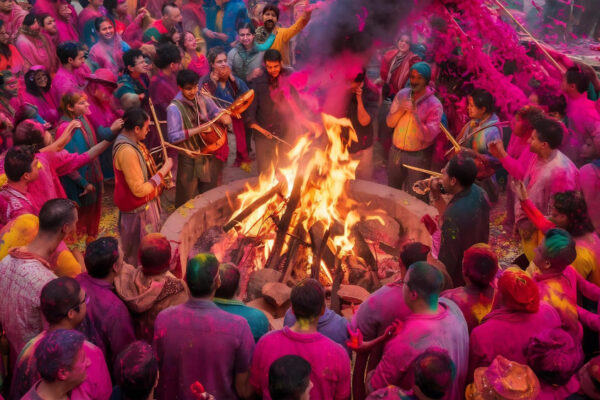
During the 15 lunar days of Pitru Paksha (usually in September or October), Hindus perform Tarpan, offering water, sesame seeds, and food to ancestors to ensure their peace in the afterlife. Families perform Havan, feed Brahmins, the poor, cows, crows, and other animals as an expression of devotion. In India, it is also believed that the light from crackers during Diwali helps guide ancestral spirits. The bright flashes and sounds symbolise showing the ancestors the way back to their realm after visiting the living. It’s a joyful way of expressing gratitude and ensuring they return peacefully, while we celebrate light over darkness.
🇨🇳 China- Qingming Festival
Also known as Tomb-Sweeping Day, Qingming takes place in early April. Families visit ancestral graves to clean them, offer food, burn incense, and sometimes burn paper offerings symbolizing wealth for the afterlife.
🇯🇵 Japan – Obon
Obon occurs in mid-August and is one of Japan’s most important ancestral traditions. During Obon, lanterns play a special role in connecting with ancestors. At the start of the festival, families light lanters in their homes and at graves to welcome ancestral spirits back to the world of the living, helping them find their way home. Then, at the end of Obon, there is Toro Nagashi, a beautiful ritual where paper lanterns with candles are floated down rivers or lakes, symbolically guiding the spirits back to their spiritual world with love and respect. The light of the lanterns is a gentle expression of both invitation and farewell.
🇳🇬 Africa- Egungun Festival (Yoruba, Nigeria)
Among the Yoruba people of Nigeria, the Egungun Festival celebrates ancestral spirits through elaborate masked dances, drumming, and community ceremonies. Offerings of food and libations are made, and the ancestors are seen as active guides in daily life.
🇦🇸 Native American Cultures
Different tribes have unique ways of connecting with ancestors, but common practices include storytelling, smudging with sacred herbs like sage, drumming, and prayers. Powwows, large social gatherings with singing and dancing, are also key events to honor ancestral wisdom.
🇰🇷 Korea – Jesa
In Korea, families observe Jesa ceremonies on special occasions or death anniversaries. A table is carefully arranged with symbolic foods, and offerings are made with incense and respectful bows, believing that ancestors continue to watch over and guide the family.
🇻🇳 Vietnam – Tet Thanh Minh
Similar to China’s Qingming, Vietnamese families visit ancestral graves during Tet Thanh Minh, offering food and incense while cleaning the tombs. Many also maintain ancestral altars in their homes for regular offerings.
🇪🇺 Europe – Samhain (Celtic Tradition)
Samhain, celebrated around October 31, was originally a time to honor ancestors, when the veil between worlds was thin. Families would light bonfires, offer food, and perform rituals to communicate with spirits. Over time, it transformed into Hallowe’en, focusing more on costumes and candies, but its roots remain deeply ancestral.
Conclusion:
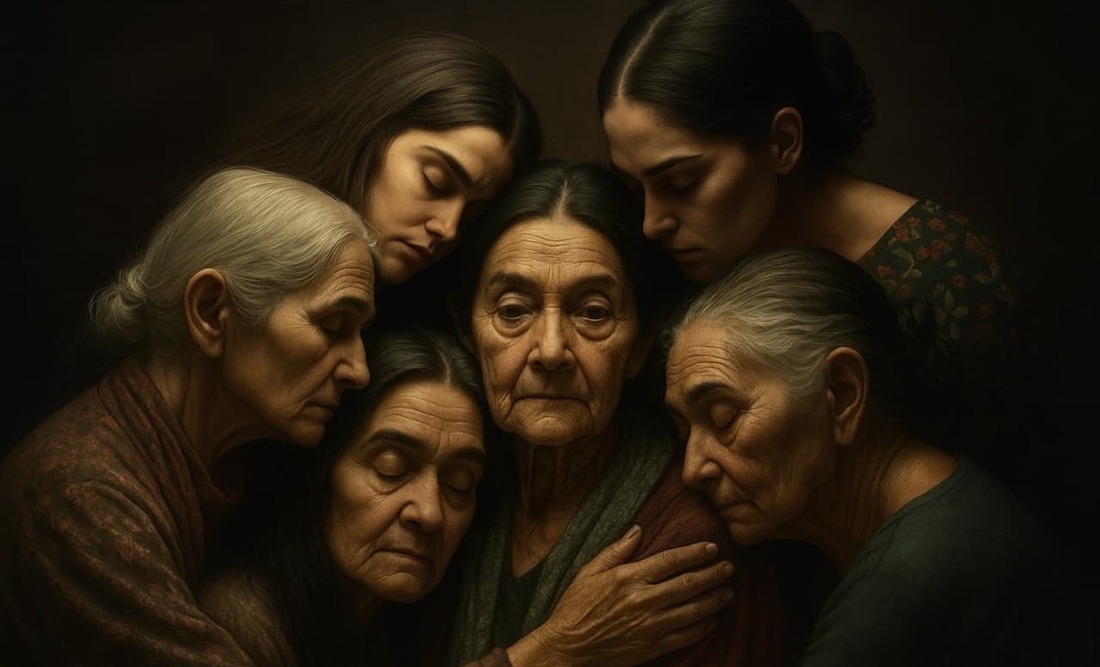
No matter where we come from, honoring our ancestors is a way to express gratitude, seek guidance, and feel connected across time. Every culture has unique ways of expressing this reverence, from lanters and incense to dances and storytelling. But the heart of it remains the same: love, gratitude, and remembrance.
These traditions remind us that the connection to our ancestors is timeless. Ancestors are our roots, our guiding stars, and the silent strength behind every step we take. May we continue to honor them, not just in rituals but in our daily gratitude, kindness, and the way we live our lives.
I’d love to hear from you. What ancestral traditions does your family follow?
Feel free to email me or connect with me on Instagram.
Email: tarotchicc@gmail.com
Instagram: @tarotchicc